
Session 2- Where and Who Are the Capitals of AI?
13:30 to 15:00 PM
Studio 4
This session will place Brussels in comparison with other European and international AI hubs. It will explore what makes a city or region an “AI capital”: research excellence, talent, startups, public policy, investment, infrastructure, governance, or the ability to connectdifferent actors around a shared vision.
The session will compare different models of AI ecosystems, including cities and networks that have positioned themselves strongly in AI research, innovation or policy. Contributions from representatives linked to other AI hubs, including London and European research networks such as ELLIS, will help clarify Brussels’ specific strengths and gaps.
Meet the speakers
-
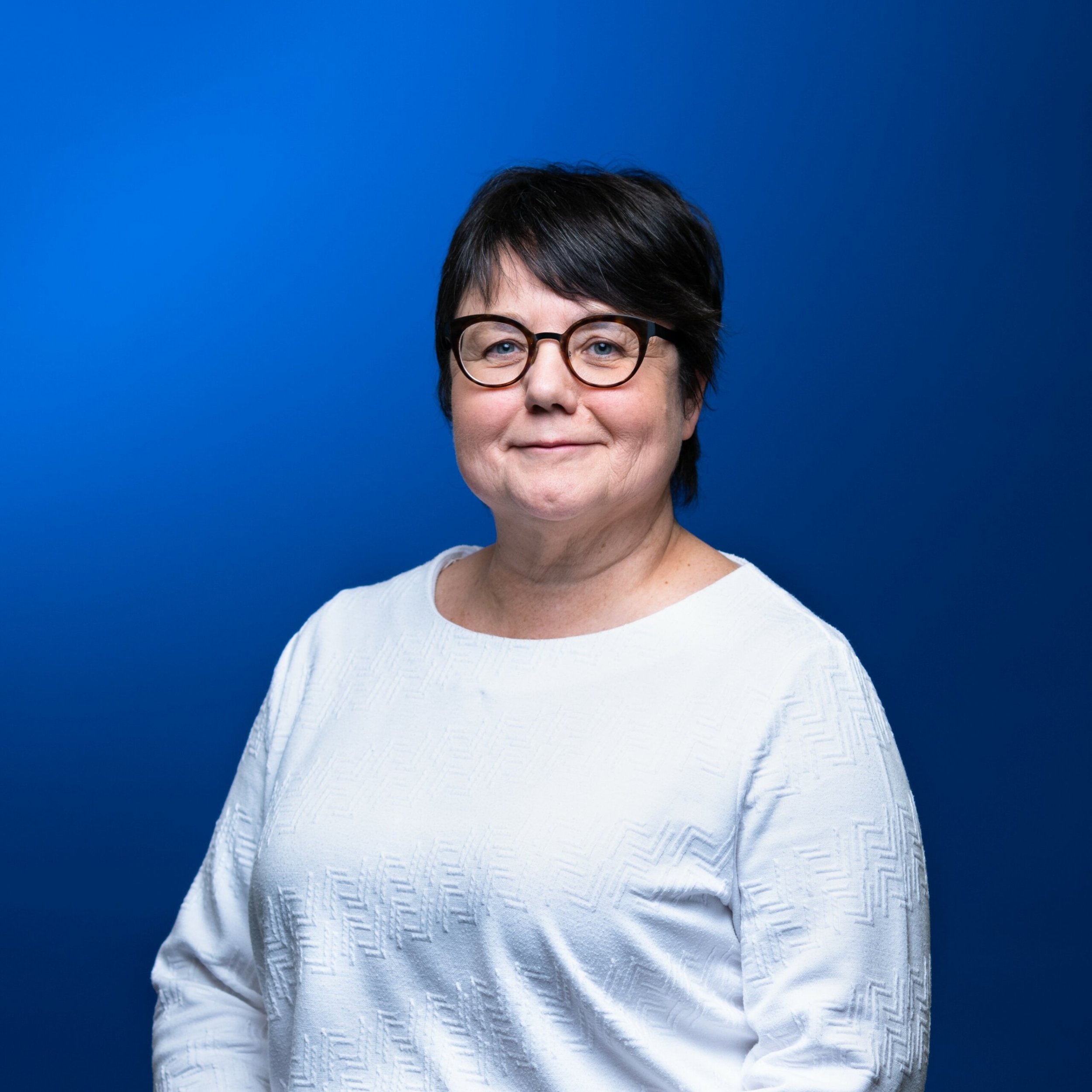
Ann Nowe
MODERATOR
FARI Academic Director - Vrije Universiteit Brussel (VUB)
Ann Nowé graduated from Ghent University in 1987, where she studied mathematics with elective courses in computer science. She then became a research assistant at the University of Brussels, where she completed her Ph.D. in 1994 in collaboration with Queen Mary and Westfield College, University of London. The topic of her dissertation lies at the intersection of computer science (artificial intelligence), control theory (fuzzy control), and mathematics (numerical analysis, stochastic approximation). After a three-year stint as a senior research assistant at the VUB, she became a postdoctoral fellow at the Fund for Scientific Research-Flanders (F.W.O.). Today, she is a professor in the Department of Computer Science in the Faculty of Sciences and in the Computer Science Group in the Faculty of Engineering.
-
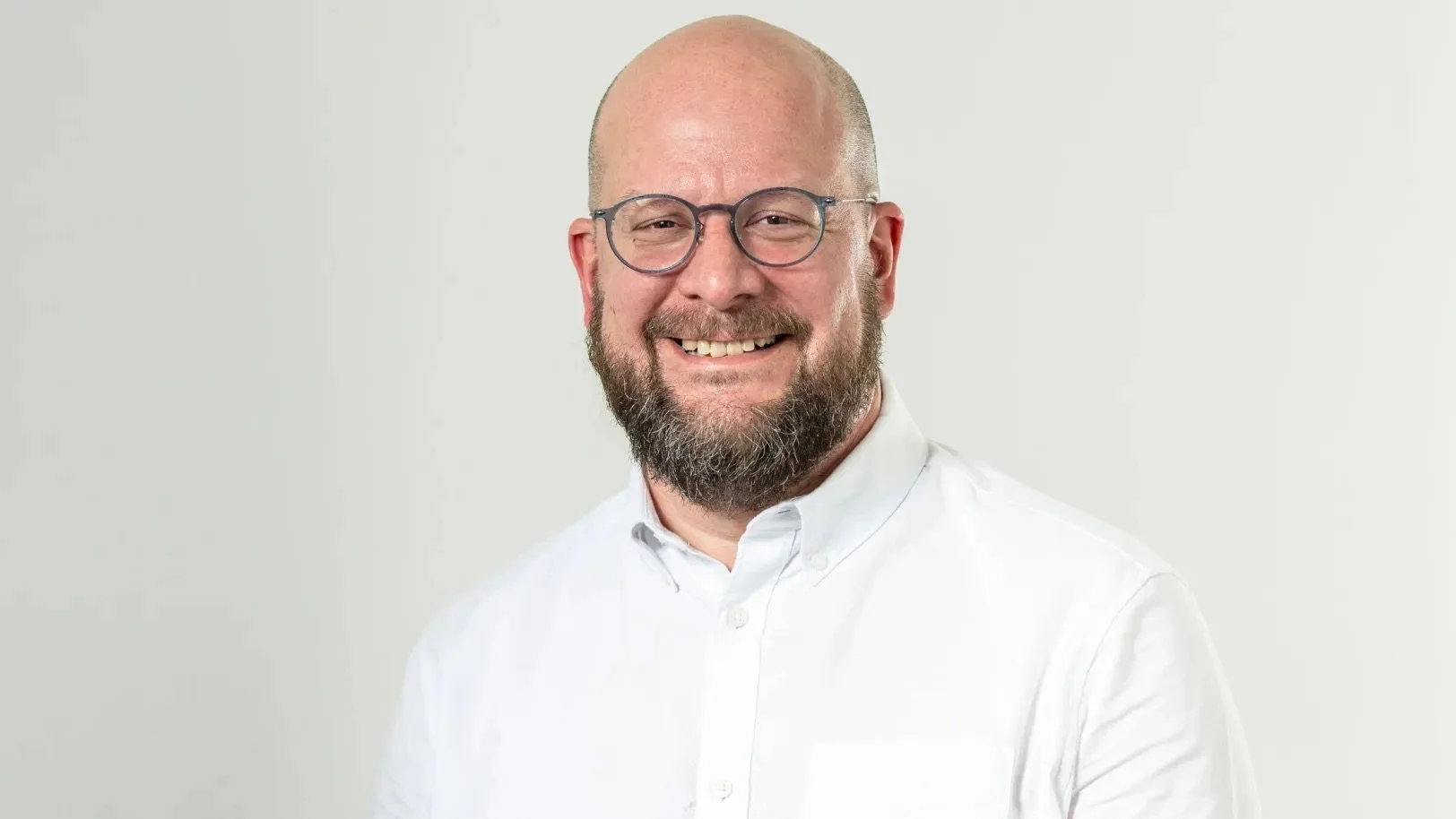
Theo Blackwell
SPEAKER
Chief Digital Officer for London
Appointed in 2017 as London's first Chief Digital Officer, Theo leads on London-wide digital transformation, data and smart city initiatives at City Hall.
His role involves:
strategic leadership on the digital transformation agenda for London's public services, across the GLA group and the wider public sector
convening on behalf of the Mayor, across London local government to support the take-up of innovative, technology, and data-led approaches to service delivery and public engagement
developing and promoting partnership between the public, private and community sectors to enable and support the development of new public service-oriented technology and innovation.
-
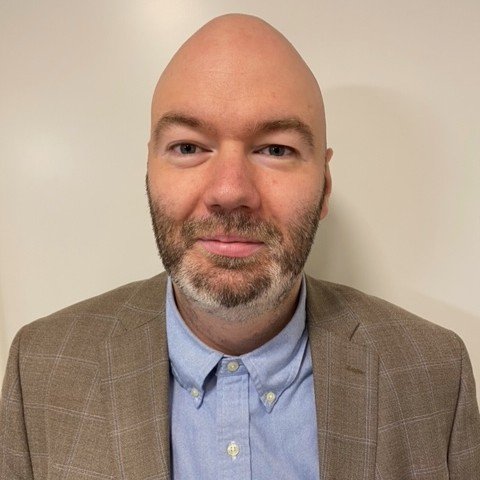
Tomas Lehtinen
SPEAKER
Head of the Data and Emerging Technologies Digitalization Department, City of Helsinki, Finland
Tomas Lehtinen is the Head of the Data and Emerging Technologies Team in the Digitalization Department at the City of Helsinki, focusing on city-wide AI development and enhancing data utilization capabilities. He is an active member of the Strategic Cooperation Group for Digitalization and Data Economy, established by the Ministry of Finance, and serves as Vice-Chair of the Eurocities Digital Forum.
His expertise spans AI and data ethics, coordination of software robotics, chatbot development, reporting tools, digital twin projects, and open data initiatives. Tomas is committed to fostering a culture of innovation and experimentation within the city, as well as building a data ecosystem that supports ethical data utilization and digital advocacy.
-
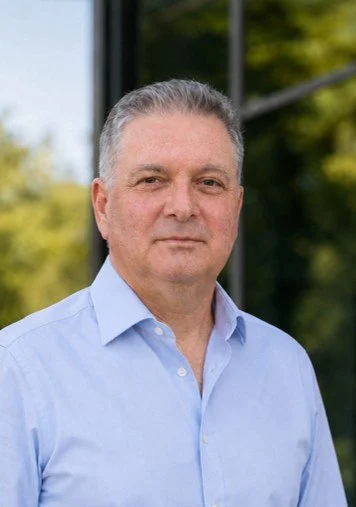
Stelian Brad
SPEAKER
President of Cluj IT Cluster and Professor and Dean of the Faculty of Industrial Engineering, Robotics and Production Management at the Technical University of Cluj-Napoca, Romania.
Professor Stelian Brad is President of Cluj IT Cluster and Professor and Dean of the Faculty of Industrial Engineering, Robotics and Production Management at the Technical University of Cluj-Napoca, Romania. His work integrates artificial intelligence, cognitive and industrial robotics, innovation engineering, digital transformation, and Industry 5.0. He has extensive experience in coordinating interdisciplinary research, innovation ecosystems, and university–industry collaboration, with a strong focus on translating emerging technologies into practical industrial and societal value. Through his academic and ecosystem leadership roles, he actively supports responsible innovation, technology transfer, entrepreneurship, and the development of competitive European digital and manufacturing ecosystems.